The American Pit Bull Terrier (APBT) and the American Bully are closely related breeds, but they have noticeable differences in appearance, temperament, build, and original purpose.
The biggest difference is that the American Pit Bull Terrier was traditionally bred for athleticism, working ability, and endurance, while the American Bully was developed primarily as a companion dog with a broader, heavier, more muscular build.
1. Appearance and physical differences

American Pit Bull Terrier
Lean, athletic, muscular, and agile.
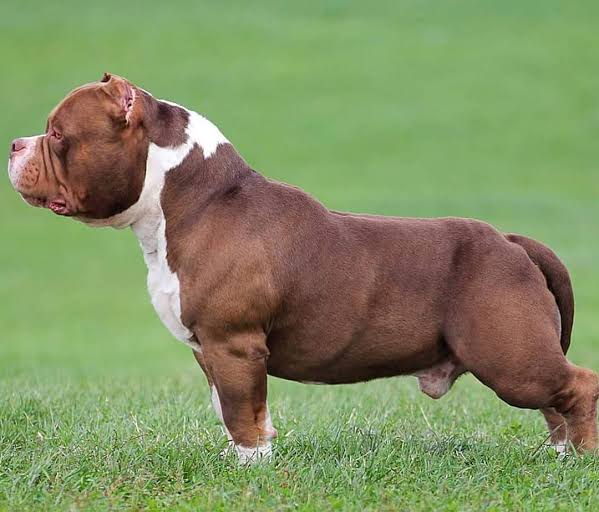
American Bully
Wide, stocky, thick-boned, and heavily muscled.
| Feature | American Pit Bull Terrier | American Bully |
|---|---|---|
| Body | Lean and athletic | Thick and bulky |
| Chest | Moderate width | Very broad |
| Head | Medium-sized, wedge-shaped | Larger, broader head |
| Neck | Muscular but leaner | Thick and powerful-looking |
| Legs | Generally longer and athletic | Often shorter and thicker |
| Movement | Agile and energetic | More compact movement |
| Overall look | Athlete | Bodybuilder |
2. Size and weight

American Pit Bull Terrier
- Height: 17–21 inches
- Weight: approximately 30–60 lbs
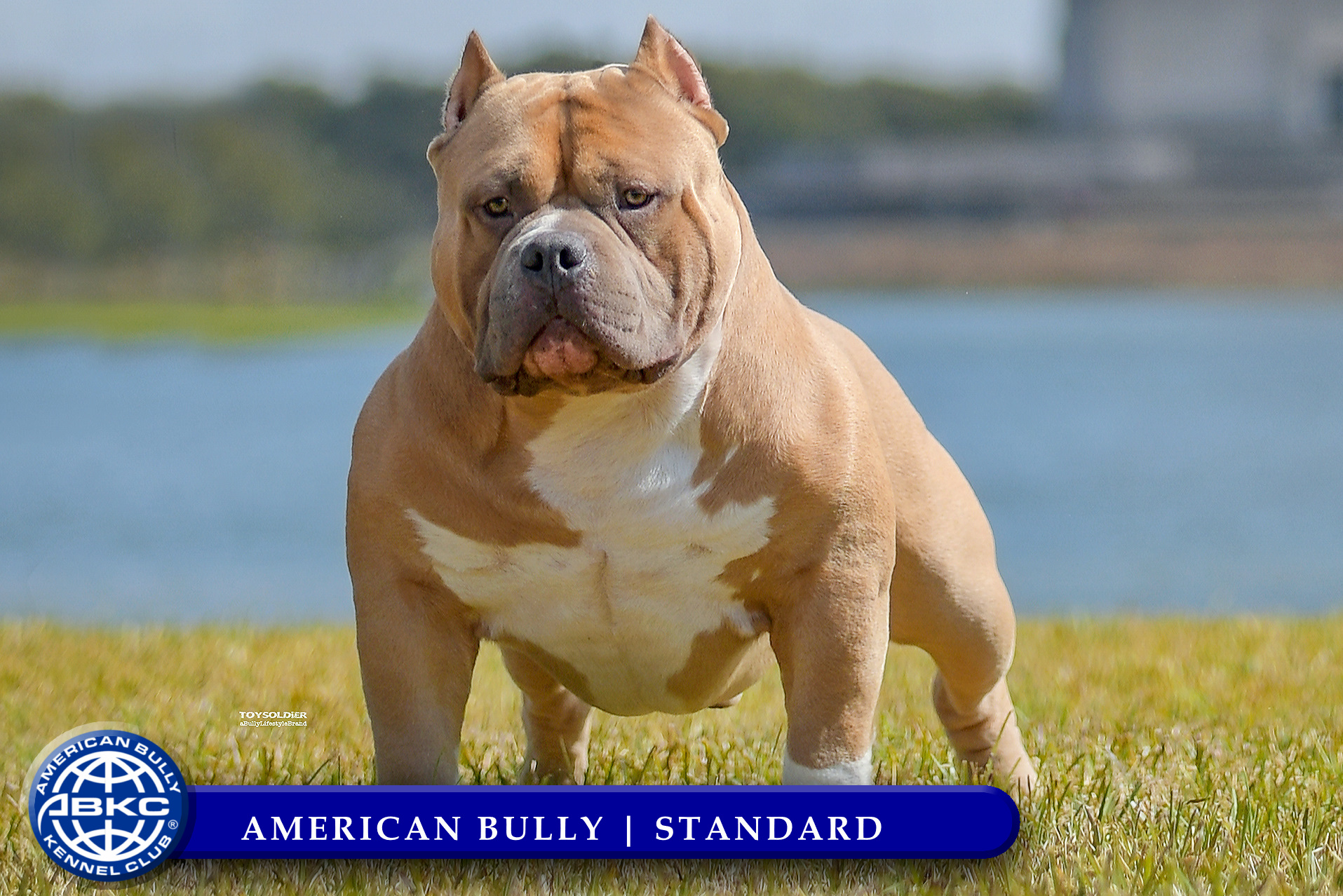
American Bully
- Height: varies by class
- Weight: approximately 30–120+ lbs depending on class and individual
The American Bully comes in four commonly recognized size varieties:
- Pocket: Shorter and compact.
- Standard: Medium-sized, muscular build.
- Classic: Lighter-framed than the Standard.
- XL: Taller, larger, and heavier.
3. Temperament and personality
Both breeds can be affectionate, loyal, playful, and people-oriented when responsibly bred and properly socialized.
| Personality trait | APBT | American Bully |
|---|---|---|
| Energy level | High | Moderate to high |
| Athletic ability | Very high | Varies, generally lower |
| Playfulness | Very high | High |
| Affection | Very affectionate | Very affectionate |
| Training | Intelligent and driven | Intelligent and often eager to please |
| Exercise needs | Generally higher | Generally moderate to high |
| Relaxing indoors | Possible, but needs activity | Often more laid-back |
American Pit Bull Terrier:
- Usually more athletic and energetic.
- Often enjoys running, hiking, playing fetch, and agility activities.
- Typically needs plenty of physical and mental stimulation.
American Bully:
- Often more relaxed and companion-oriented.
- Usually enjoys spending time with its family.
- Can still be energetic and playful, especially when young.
Neither breed should automatically be assumed to be aggressive toward people. Individual temperament, genetics, training, and socialization matter.
4. Health differences

American Pit Bull Terrier
- Hip dysplasia
- Skin allergies
- Certain heart conditions
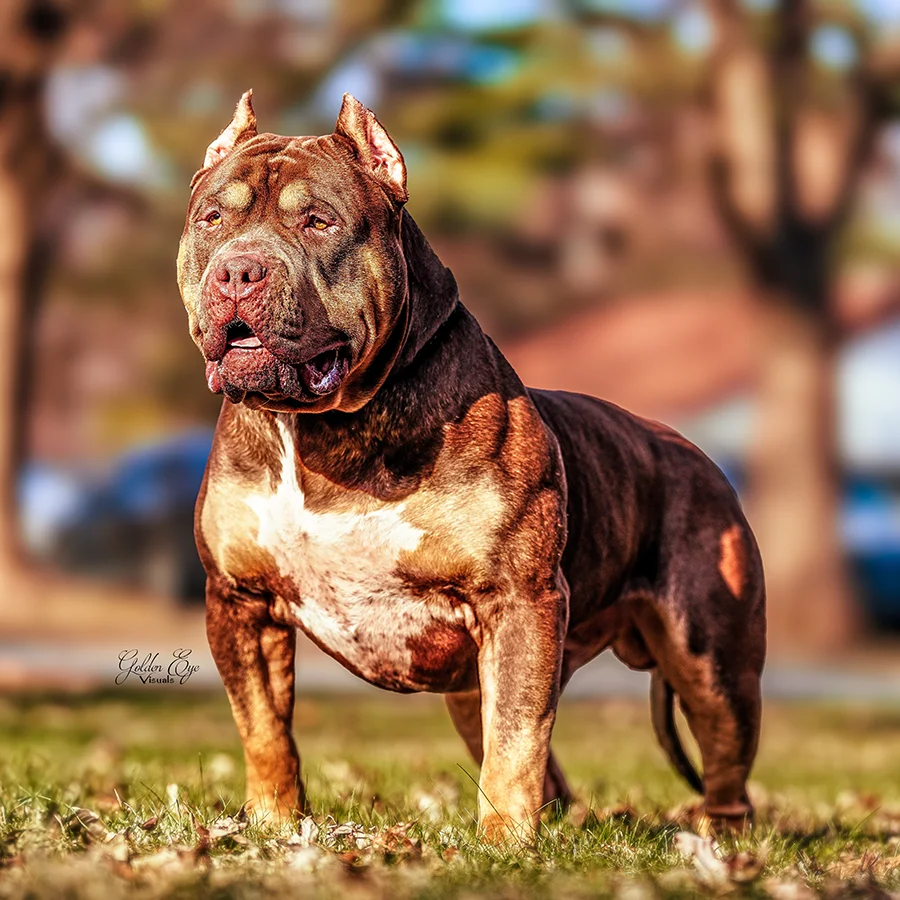
American Bully
- Hip and elbow dysplasia
- Skin allergies
- Heart conditions
- Breathing difficulties in some exaggerated builds
- Joint and mobility issues
One important distinction: Extremely exaggerated American Bullies with oversized heads, very short legs, and excessively wide bodies can have more structural and mobility problems.
5. Which one is better?
| If you want… | Better fit |
|---|---|
| A running or hiking companion | APBT |
| A highly athletic dog | APBT |
| A thick, muscular appearance | American Bully |
| A more compact companion | American Bully |
| Dog sports and endurance activities | APBT |
| A laid-back family companion | Either, depending on temperament |
6. Are they the same breed?
No. Although the American Bully was developed partly using American Pit Bull Terriers and other bully-type dogs, they are now recognized as separate breeds by their respective breed organizations.
- The APBT is recognized by the United Kennel Club (UKC).
- The American Bully is recognized by the UKC and the American Bully Kennel Club (ABKC).
Generally, the American Pit Bull Terrier (APBT) is considered the healthier choice overall, especially compared with American Bullies bred for an extremely bulky, exaggerated appearance.
Here’s why:
| Health factor | APBT | American Bully |
|---|---|---|
| Hip and joint health | Generally better | More structural concerns |
| Breathing | Generally fewer issues | Can struggle with exaggerated builds |
| Athletic ability | Excellent | Varies considerably |
| Mobility | Generally better | Can be affected by body structure |
| Skin allergies | Can occur | Can be common |
| Heart health | Can have issues | Can have issues |
| Overall longevity | Often around 12–14 years | Often around 8–13 years |
Why I give the APBT the advantage?
- Generally has a more functional, athletic body structure.
- Less likely to have exaggerated proportions.
- Typically better suited for sustained physical activity.
- Less risk of certain structural problems associated with oversized American Bullies.
Are all American Bullies unhealthy?
Absolutely not. A well-bred Standard or Classic American Bully with:
- A normal-length muzzle.
- Good leg structure.
- Healthy hips and elbows.
- A proportionate body.
- Good cardiovascular fitness.
Can be a very healthy dog.

APBT My overall health pick
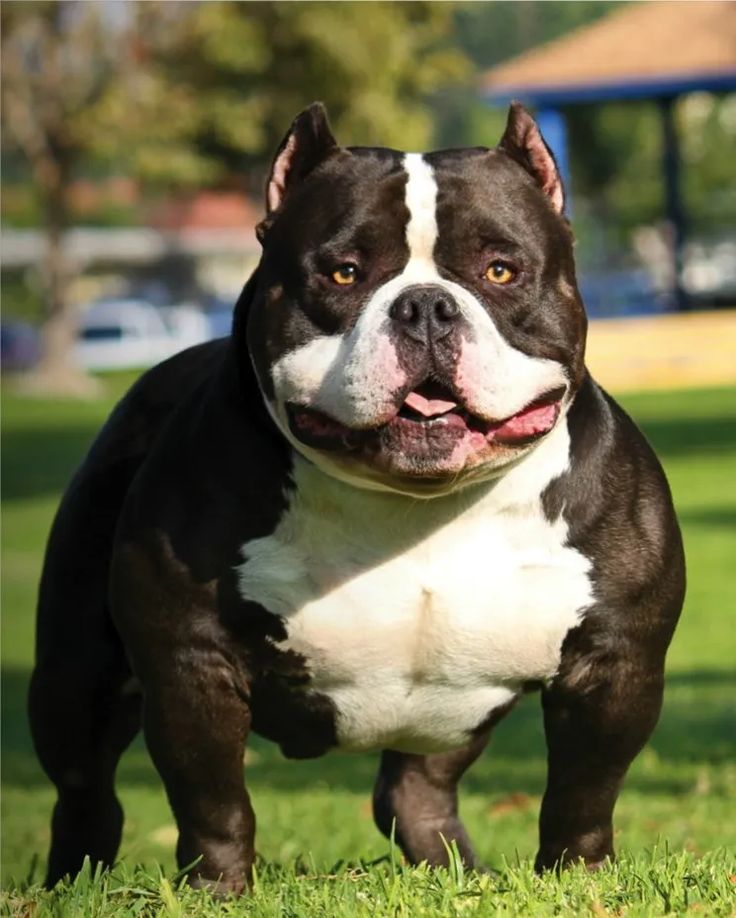
Classic American Bully is a good alternative
My recommendation: If your priority is health, longevity, athleticism, and fewer potential structural problems, I’d lean toward a well-bred American Pit Bull Terrier.